- Hotel Reservations:
- +27(0)22 772 2062
- bookings@thefarmhousehotel.com


Why Langebaan in Winter Is a Hidden Gem (And How to Make the Most of It)
May 18, 2026
The West Coast Wildflower Season: Your Guide to the Best Blooms Near Langebaan
May 19, 2026

The Farmhouse Hotel
Flamingos, Waders & the Winter Lagoon: A Birdwatcher's Guide to Langebaan
Most people come to Langebaan for the lagoon. Some come for the kitesurfing. A growing number, though, come for something quieter: a pair of binoculars, a flask of coffee, and the extraordinary birdlife of one of South Africa's most important wetlands.
The Langebaan Lagoon is no ordinary body of water. Recognised as a Ramsar Wetland of International Importance, it sits at the heart of the West Coast National Park and supports tens of thousands of birds across dozens of species. For birdwatchers, a stay at The Farmhouse Hotel puts you right on the doorstep of one of the finest birding destinations in Africa.
Flamingos on your doorstep
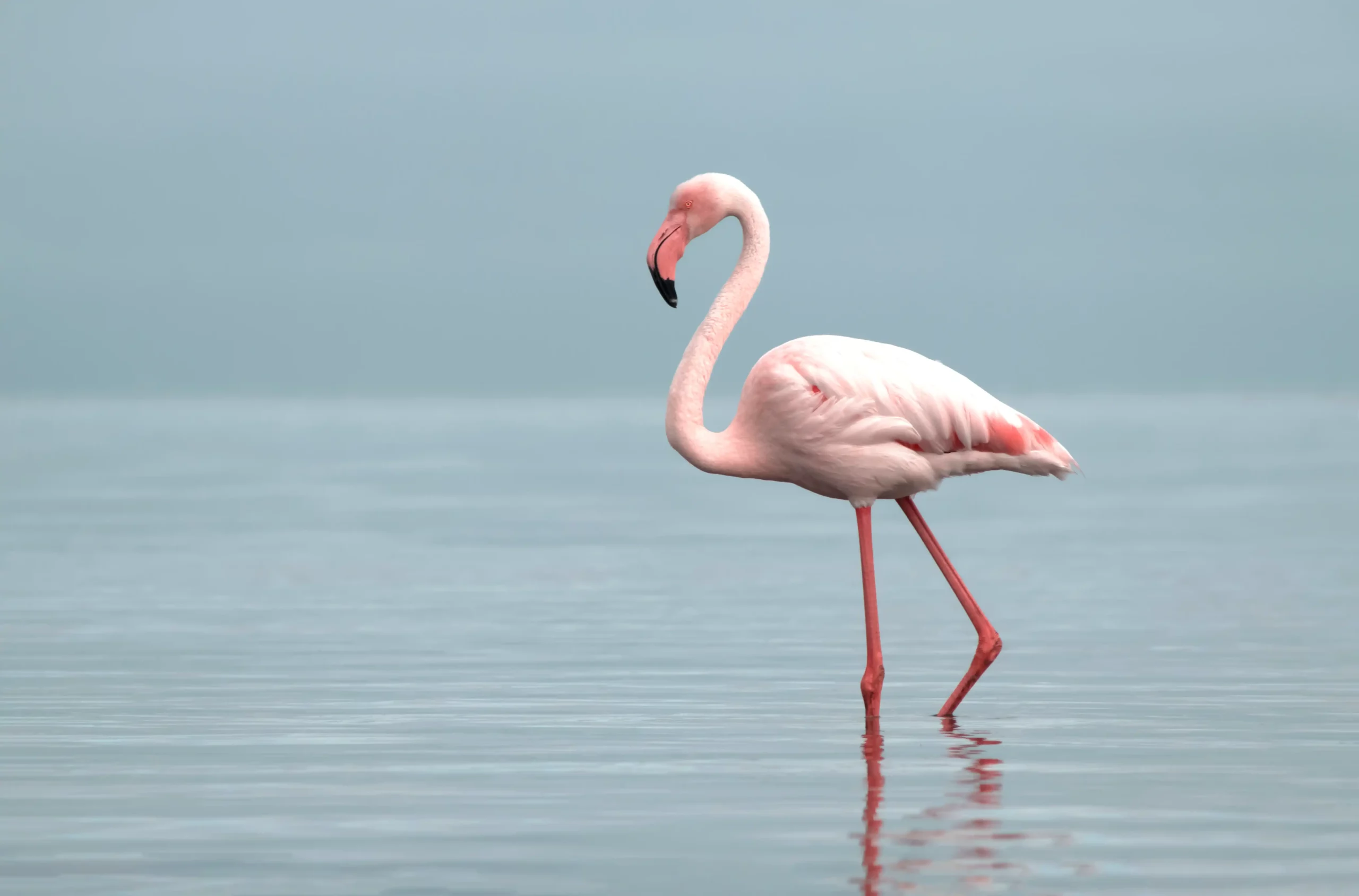
Greater and Lesser Flamingos are among the lagoon's most iconic residents, and from the Seeberg and Geelbek bird hides inside the National Park, you can watch them wading through the shallow waters in their hundreds. The views are extraordinary, these are wild birds in a wild landscape, with Table Mountain visible on the clearest days.
The lagoon and its surrounding salt marshes also support Cape cormorant, pied avocet, African black oystercatcher, grey plover, various gulls and terns, and the striking African fish eagle. Over 250 bird species have been recorded in the park as a whole, more than a quarter of all species found in South Africa.
Long-distance travellers
If you visit in July, you're in good company with some remarkable avian travellers. The Langebaan Lagoon is one of the key destinations for Palearctic migratory waders. Birds like the curlew sandpiper, red knot, little stint, and sanderling that breed in the Russian Arctic and fly up to 15,000 kilometres to spend their austral summer here. The mudflats and sandflats of the southern lagoon are their feeding grounds, and watching them at the Geelbek Hide as the tide rises is one of the most extraordinary wildlife experiences the West Coast has to offer.
In September and March, these birds can be seen in full breeding plumage. Vivid oranges and russets that make them easy to pick out even for a beginner. July falls midway through their stay, when they've settled into a rhythm and the hides offer reliably close encounters.
The endangered Black Harrier
One species that makes birdwatchers go weak at the knees is the Black Harrier — an endangered raptor found almost exclusively in the Western Cape. These striking black-and-white birds of prey quarter low over the fynbos in search of small mammals and birds, and the scrubland around Langebaan and West Coast National Park is one of the best places in the world to see them. Spotting one is a genuine thrill.

Four hides, one unforgettable morning
The West Coast National Park has four bird hides accessible from different parts of the park, Geelbek, Abrahamskraal, Seeberg, and a lagoon viewpoint, and a morning working through two or three of them is one of the most rewarding ways to spend a few hours on the West Coast. The Geelbek Hide is considered the star of the show for wader watching, particularly as the rising tide pushes birds closer to the viewing platform.
Our suggestion: leave the hotel just after sunrise, take the Langebaan Gate into the park, walk the trail to the Seeberg Viewpoint for sweeping lagoon views, then drive to Geelbek for close-up wader action before heading back for breakfast on the stoep. The whole morning takes around three hours and costs nothing more than the park entry fee.
You don't need to be an expert
The beauty of birding in Langebaan is that the rewards are immediate, even for beginners. The flamingos are unmistakable. The oystercatchers with their vivid orange beaks are impossible to miss. And the sheer volume of birds on the lagoon means that even a casual visit turns up something memorable.
If you're planning a trip to The Farmhouse Hotel and want to add some birdwatching into the mix, we're happy to point you in the right direction. Binoculars, a good field guide, and an early start are all you need.